|
|
News & Reviews Article
| Title |
Feeding Live Brine Shrimp & Blackworms |
| Author |
Chris Deer
|
| Last Updated |
2010-05-06
|
| Abstract |
|
|
|
Feeding Live Brine Shrimp & Blackworms
Chris Deer
|
<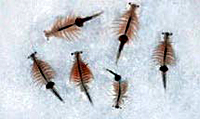
Live Brine Shrimp |
All fish get excited over live foods and for most fish, these treats are an excellent addition to their regular diet. But understand that these live foods are treats only. Overfeeding these foods will cause problems for many species, especially African Cichlids!
Many African cichlids species should NEVER be given live foods!! |
If you have an aquarium containing these rift lake cichlids we suggest you never offer them live foods of any sort. If these fish eat too many live brine or blackworms, they will develop a condition known as Malawi Bloat. If left untreated, this condition will spread to other cichlids in the aquarium one by one leading sometimes to a complete loss. Symptoms of this conditions include sluggishness, resting on the bottom of the aquarium, clear stringy feces and/or bloating of the belly (in the final stage). Once the fish has a swollen belly, it is nearly impossible to reverse. The kidneys and liver begin to shut down leading to a quick death usually within 1-3 days. African cichlids are best kept on diets of spirulina flake foods combined with other dry cichlids foods low in fish meal and NO live foods.
|
| Many other fish species can be harmed when overfed too many live foods all at once. These include dwarf South American cichlids like apistogramma and rams. Live foods are excellent supplements to these fish�s diets but you must not overfeed them! Even discus and loaches can develop bloat from over-eating live blackworms. Even marine fish can |
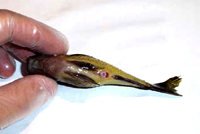 |
over-eat live foods. Lionfish, groupers and frogfish will swallow too many live fish. This over- indulgence cannot be processed by the digestive system quickly enough and the food sours in their system. This will lead to their demise if left untreated too long. Fish love live foods but you must be a responsible feeder by controlling how often your fish eat these nutritious treats!
|
|

|
|
| Products related to this article |
|
|
|
|
|
|
|
|
|
|
|
|
|
|
|
|
|
|
|
|
|
|
|